Eid is not just a festival; it is a celebration of joy, togetherness, and culture. One of the most exciting aspects of Eid is the fashion choices people make, especially when it comes to eid design dress outfits.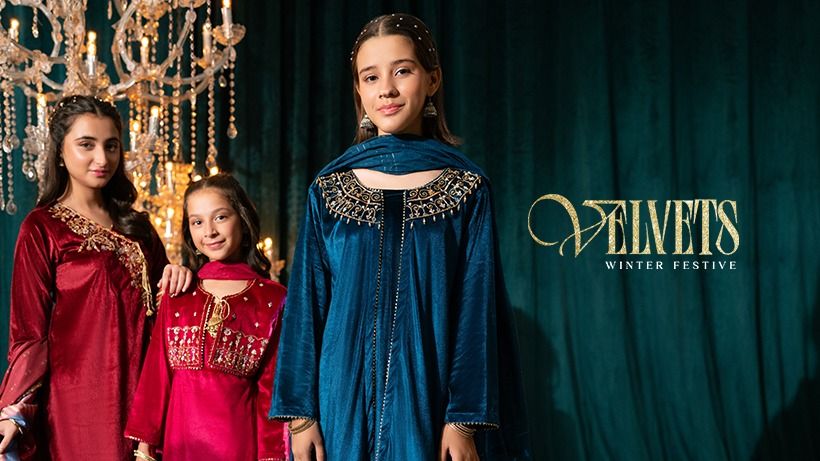
Whether for women, girls, or even younger family members, the right outfit can elevate the festive mood and make a statement.
Special detailing in Eid design dresses is what transforms a simple outfit into a stunning ensemble that reflects elegance, tradition, and personal style.
In this comprehensive guide, we will explore various elements that make eid design dress outfits stand out, from fabric choices and embroidery techniques to color schemes and accessory pairings.
By the end of this article, you will have a complete understanding of how to select, style, and appreciate the intricate detailing that goes into crafting these festive outfits.
The Importance of Special Detailing in Eid Design Dresses
Special detailing in an eid design dress is what gives the outfit uniqueness. It goes beyond the basic silhouette and touches every element—fabric texture, embellishments, cuts, and stitching patterns. The detailing can reflect:
-
Cultural influences from different regions
-
Modern fashion trends
-
Personal taste and style
For many, an Eid dress is more than just clothing; it is a way to celebrate heritage, express individuality, and stand out during festivities. Dresses with unique detailing often become family favorites, passed down or remembered for their beauty.
Fabrics That Enhance Special Detailing
The choice of fabric is foundational when designing or selecting an eid design dress. Some fabrics naturally lend themselves to intricate detailing, while others are ideal for comfort and flow.
Silk and Satin
Silk and satin provide a luxurious base for embroidery, sequins, or beadwork. Their smooth texture allows embellishments to sit beautifully without wrinkling. Satin is particularly ideal for dresses meant for evening Eid gatherings due to its elegant sheen.
Chiffon and Georgette
Lightweight and flowy, chiffon and georgette fabrics are perfect for layering. They allow for delicate embroidery and lace work. These fabrics are also favored in dresses with a flared silhouette, giving a graceful, airy look.
Cotton and Lawn
For daytime Eid events, breathable fabrics like cotton and lawn are excellent choices. They can be paired with light detailing, such as thread embroidery or small sequins, offering a comfortable yet stylish appearance.
Types of Special Detailing in Eid Design Dresses
Eid design dresses often feature a combination of techniques that elevate their aesthetic appeal. Let’s explore some of the most popular detailing options.
Embroidery
Embroidery is a classic way to enhance an eid design dress. From traditional hand embroidery to modern machine work, embroidery adds texture, color, and dimension. Common styles include:
-
Zardozi: Intricate metallic threadwork that gives a regal appearance.
-
Threadwork: Floral or geometric patterns using colored threads.
-
Mirror Embroidery: Small mirrors sewn into the fabric to reflect light, adding a festive sparkle.
Sequins and Beadwork
Sequins and beads are staples in festive dresses. Carefully applied, they can highlight neckline patterns, sleeves, or borders. Sequins create a subtle shimmer, while beads provide depth and texture.
Lace and Applique
Lace and applique work can transform a simple fabric into a statement piece. Applique often involves sewing contrasting fabric shapes onto the dress, creating patterns or motifs. Lace trims can be used on sleeves, hemlines, and dupattas to add a touch of femininity.
Cutwork and Laser Detailing
Modern eid design dress trends include cutwork and laser detailing. These techniques create patterns by cutting out portions of the fabric, offering a delicate and intricate design. Cutwork is often combined with lining or contrasting fabrics to make the design pop.
Embellished Necklines and Sleeves
Special attention to necklines and sleeves can elevate an Eid outfit. Designer dresses often feature:
-
Bejeweled collars
-
Frilled or puffed sleeves
-
Embroidered cuffs
-
Off-shoulder or cape-style sleeve embellishments
These small details create a sophisticated and unique look without overwhelming the entire outfit.
Color Palettes and Their Role in Special Detailing
The color of an eid design dress plays a crucial role in how detailing is perceived. Colors can enhance embellishments, create contrast, or define the overall mood of the outfit.
-
Pastel Shades: Light pinks, peaches, and mint greens are perfect for soft embroidery and subtle beadwork.
-
Bold Hues: Reds, emerald greens, and royal blues make metallic threadwork and sequins stand out.
-
Neutrals: Whites, creams, and beige offer a canvas for intricate detailing to shine without looking too busy.
A well-chosen color palette complements both the detailing and the wearer’s personal style. Mixing and matching shades in dupattas or borders can also add depth to the outfit.
Silhouette and Fit: Enhancing Detailing
The design and structure of an eid design dress can amplify the impact of special detailing. Popular silhouettes include:
-
A-Line: Flattering for most body types and perfect for showcasing embroidery or lace along the hemline.
-
Anarkali: This traditional silhouette allows for grand embroidery and embellishments across the bodice and flowing skirt.
-
Straight Cut: Modern straight-cut dresses highlight embellishments on necklines, sleeves, and borders.
-
Sharara and Gharara: These bottom-heavy outfits provide ample space for detailing on pants, dupattas, and kameez edges.
The right fit ensures that detailing stays intact and is showcased elegantly. Avoid overly tight or loose fits, as they can distort intricate patterns or hide embellishments.
Dupattas: The Unsung Heroes of Eid Dress Detailing
No eid design dress is complete without a well-coordinated dupatta. Dupattas provide an additional canvas for detailing:
-
Embroidered Borders: Highlight the edges with delicate threadwork or sequins.
-
Sheer Fabrics: Use chiffon or net for light embroidery that doesn’t weigh down the overall look.
-
Tassels and Latkans: Decorative hanging elements that add movement and charm.
A perfectly detailed dupatta can transform a simple dress into an eye-catching ensemble suitable for festive gatherings.
Accessories: Complementing the Special Detailing
The detailing on an eid design dress can be further enhanced with carefully chosen accessories:
-
Statement Earrings: Complement necklines and embroidery patterns.
-
Clutch Bags: Embellished clutches can match the dress detailing, adding a cohesive look.
-
Footwear: Embroidered sandals or metallic heels accentuate the festive vibe.
-
Jewelry Sets: Minimalist jewelry for heavily embellished dresses; ornate sets for simpler outfits.
Accessories should balance with the dress detailing, ensuring they don’t compete for attention but enhance the overall aesthetic.
Styling Tips for Special Eid Design Dresses
Choosing the perfect eid design dress is only half the journey. Styling it correctly can make all the difference:
-
Balance the Detailing: If the dress is heavily embellished, keep the dupatta and accessories minimal.
-
Consider the Occasion: Daytime Eid events favor lighter fabrics and soft detailing; evening events allow for richer textures and heavier embellishments.
-
Mix Fabrics Wisely: Combining different fabrics (like chiffon with silk) can enhance detailing and create a multi-dimensional look.
-
Play with Color Accents: Use contrasting or complementary colors in embroidery or borders to make the dress pop.
-
Focus on Comfort: Special detailing should not compromise comfort, especially if attending long family gatherings or prayers.
Trends in Eid Design Dress Detailing
The fashion industry continues to evolve, bringing new trends into eid design dress detailing:
-
Floral Motifs: From embroidered flowers to lace appliques, floral designs remain a favorite.
-
Minimalist Detailing: Simple threadwork and clean cuts are gaining popularity for a sophisticated look.
-
Fusion Styles: Combining traditional embroidery with contemporary cuts or western silhouettes.
-
Metallic Accents: Gold and silver threads, sequins, and beadwork for a luxurious touch.
-
Sustainable Embellishments: Eco-friendly fabrics and natural dyes are becoming trendy for ethically crafted dresses.
Keeping an eye on trends allows individuals to choose dresses that are fashionable yet timeless.
Caring for Your Eid Design Dress
Special detailing requires careful maintenance to preserve its beauty:
-
Hand Wash or Dry Clean: Heavy embroidery or sequins are best preserved through gentle hand washing or professional dry cleaning.
-
Proper Storage: Use padded hangers and cover the dress with soft fabric to avoid dust and damage.
-
Avoid Heavy Perfumes: Spraying directly on embroidery can tarnish metallic threads or delicate embellishments.
-
Iron Carefully: Use a low-heat iron or steam on the reverse side to protect embellishments.
Proper care ensures that the dress remains beautiful for years and can even be passed down as a cherished heirloom.
Conclusion
Special detailing in eid design dress outfits transforms traditional attire into a work of art. From fabrics and embroidery to color choices and accessories, every element contributes to creating a festive ensemble that is elegant, unique, and culturally resonant. Whether you prefer subtle threadwork or lavish bead embellishments, understanding the nuances of detailing helps you choose or design a dress that complements your personality and the occasion.
Investing time in selecting the right fabrics, silhouettes, and details ensures that your Eid outfit is not just worn but remembered. With the perfect blend of tradition, style, and comfort, your eid design dress can make the celebrations truly unforgettable.
By paying attention to every aspect—from embroidery and sequins to dupatta styling and accessories—you can achieve a balanced, chic, and festive look that radiates confidence and joy. Eid is the perfect occasion to showcase the art of detailing, allowing your outfit to tell a story of elegance, culture, and celebration.